Hermes Amnesia: The Quietly Explosive Market for Divorce Handbags Nobody Can Remember Buying
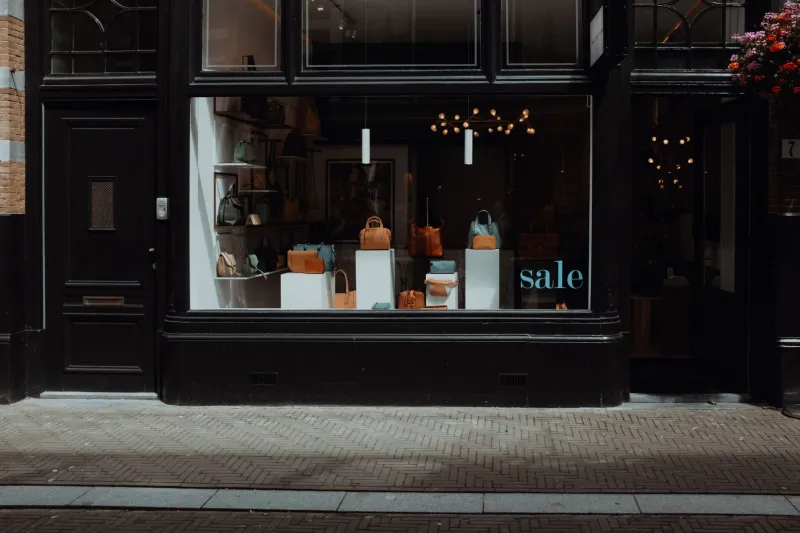
There is a particular kind of luxury item that exists in a quantum state somewhere between trophy and furniture. It was purchased — or more likely, gifted — during a period of conspicuous romantic optimism. It was carried, perhaps, to one or two charity galas. Then it migrated to a shelf. Then a closet. Then, eventually, to a cardboard box labeled "SARAH'S STUFF" in Sharpie by a moving company that bills $400 an hour and still managed to scratch the baseboards.
The Birkin bag. Or the Kelly. Or the Chanel 2.55 that nobody in the household can definitively confirm was ever actually purchased. This is the origin story of one of America's most quietly robust resale ecosystems — and if you know where to look, it is essentially raining free money on anyone willing to do a little homework and a lot of driving.
The Anatomy of a High-Net-Worth Purge
Let's be clear about what's actually happening here. When a marriage dissolves at a certain income bracket, the financial forensics required to divide assets become genuinely surreal. We're talking about couples who own so many things that their attorneys have to hire additional attorneys just to make lists of the things. In that context, a $22,000 handbag that's been sitting in a climate-controlled closet for three years barely registers as a line item.
Estate liquidators — the unsung heroes of this particular economy — will tell you that designer handbags are among the most reliably undervalued items in a divorce inventory. The reason is almost poetic: neither party wants to fight over them. The acquiring spouse often can't remember the specific occasion. The departing spouse doesn't want to look petty. And the attorneys charge $800 an hour, which means that arguing over a Constance bag costs more than the Constance bag is worth to anyone involved emotionally.
So it goes to the pile. The glorious, magnificent pile.
Authentication Horror Stories (With Happy Endings)
Now, here's where the story gets interesting — and slightly terrifying if you've ever tried to authenticate luxury goods without a graduate degree in Hermès hardware metallurgy.
The resale market for high-end divorce handbags is genuinely robust, but it has a villain: the replica economy that shadows it like a well-dressed ghost. When bags emerge from estate sales without documentation — no receipt, no certificate, no provenance beyond "she definitely had it in the Hamptons" — authentication becomes both essential and occasionally absurd.
Consider the story circulating among Chicago-area resellers about a 2022 estate sale in Winnetka where three bags were listed as authentic Hermès and priced accordingly. Two were real. One was a Grade-A replica that had apparently been purchased by the original owner herself, who had bought it thinking it was real, carried it for four years, and died never knowing the difference. The moral of the story is unclear, but the financial lesson is sharp: always verify, always use a credentialed authenticator, and never trust anyone who describes a bag as "definitely Hermès" while also not being able to spell Hermès.
Reputable third-party authentication services like Authenticate First or Real Authentication have become essential infrastructure for this market. Budget $50 to $150 per item and treat it as the cost of not being humiliated at your next book club meeting.
Where the Bags Actually End Up
The pipeline from wealthy closet to savvy buyer is more organized than you'd think, and understanding it is basically a superpower.
First stop: estate sale companies. In markets like Beverly Hills, Palm Beach, Greenwich, and the toniest suburbs of Dallas and Chicago, estate liquidators routinely move designer accessories at 40 to 60 percent below retail. They're not specialty handbag dealers; they're generalists moving volume. That's your opportunity.
Second stop: consignment stores that serve wealthy neighborhoods. Stores in zip codes adjacent to serious money — think the suburbs just outside Scottsdale, the bedroom communities around Greenwich, the nice-but-not-obscene neighborhoods outside San Francisco — receive donations and consignments from households in transition. Check these regularly. Show up in person. Be friendly to the staff. Bring coffee. These are your people now.
Third stop: the auction houses that aren't Christie's. Everyone knows the major houses. The regional auction houses — the ones handling estate contents in mid-tier wealthy markets — are where the real arbitrage lives. A Chanel flap bag that would command $4,800 at a Manhattan resale boutique sometimes clears a regional auction in Ohio for $1,100 because the bidding pool is smaller and the marketing is worse.
The Guilt-Driven Purge Is a Feature, Not a Bug
Here's the psychological engine driving all of this, and it's worth appreciating for its sheer comedic perfection: wealthy people, post-divorce, frequently want nothing to do with anything that reminds them of the marriage. This is human and understandable. It is also, from a secondary-market perspective, absolutely extraordinary.
Liquidators describe a phenomenon they call the "scorched earth consignment" — the post-divorce drop-off where someone brings in literally everything associated with a previous life and prices it to move fast. Not to maximize value. To maximize distance. A $15,000 bag priced at $3,500 because the seller wants it gone by Thursday is the market working exactly as it should, provided you are the buyer and not the seller.
The guilt-driven purge is accelerated by a second factor: the ultra-wealthy often acquired these items as gifts, meaning they have zero financial memory of the purchase. You cannot feel the loss of $22,000 you never consciously spent. This makes the psychological barrier to liquidation essentially nonexistent.
Your Action Plan (Tastefully Executed)
Don't be weird about this. The secondary luxury market is legitimate, documented, and growing. Here's how to participate without embarrassing yourself:
- Build relationships with estate liquidators in your target markets. Email them. Follow their sales. Some will give you early access if you've proven yourself a reliable buyer.
- Learn the hardware. Hermès date stamps, Chanel serial sticker locations, Louis Vuitton date codes — this information is free on the internet and will save you from expensive mistakes.
- Budget for authentication before you budget for the bag. Non-negotiable.
- Shop in the right zip codes. You're not finding a Birkin at a Salvation Army in Omaha. You might find one at an estate sale in Bloomfield Hills, Michigan, or a consignment shop in Westport, Connecticut.
- Be patient. This market rewards consistency over luck.
Somewhere out there, a perfectly preserved Hermès Kelly is sitting in a cardboard box, waiting to be remembered. It won't wait forever. Neither should you.