Pivot to Profit: How Silicon Valley's Startup Meltdowns Are Quietly Filling Estate Sales with $10,000 Chairs
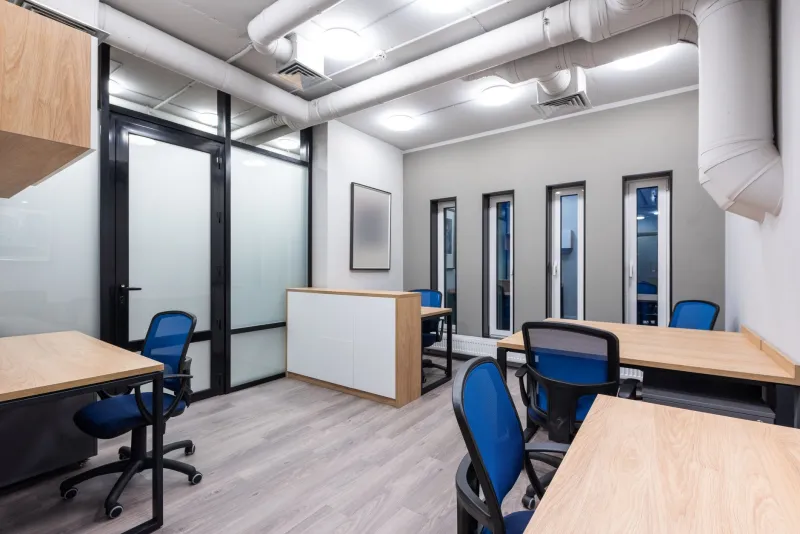
There is a very specific sound that Silicon Valley makes when a startup dies. It is not dramatic. It is not the thunderclap of a Theranos-style implosion or the operatic wail of a founder being perp-walked past a ring light. It is quieter than that. It is the sound of a commercial real estate liquidator photographing an Eames lounge chair against a backdrop of motivational wall decals that still say Fail Fast, Learn Faster.
And somewhere across town, a savvy secondhand hunter is refreshing their auction alerts like it's Christmas morning.
Welcome to the most gloriously underreported shopping opportunity in America: the startup office liquidation. Where Silicon Valley's delusional optimism meets your very realistic desire to own a $1,200 standing desk for $85.
The Anatomy of a Beautiful Disaster
Here's the thing about tech startups: they spend money on office furniture the way the rest of us spend money on groceries — compulsively, without real thought, and always slightly more than they should. A Series A round hits, the founders lease 8,000 square feet of open-plan office space in SoMa or Austin or wherever the current migration pattern has landed them, and suddenly they need to furnish the culture.
This means Herman Miller Aerons by the dozen. It means custom conference tables hewn from reclaimed redwood by an artisan in Marin County whose day rate rivals a Manhattan attorney's. It means acoustic wall panels, programmable LED mood lighting, modular lounge pods that look like they were designed for a space station, and — God help us — a $6,000 espresso machine that three employees actually knew how to use.
All of this furniture is purchased with the absolute certainty that the company will exist forever.
It will not exist forever. Statistically, roughly 90% of startups fail within ten years, and a generous chunk of those fail before anyone's business cards have even arrived from the printer.
When they go, all that furniture has to go somewhere.
The Timing Is Everything (And the Timing Is Predictable)
This is where it gets genuinely interesting, and where the sophisticated trash-to-treasure pipeline reveals itself. Startup closures and pivots are not random events scattered uniformly across the calendar. They cluster. They follow patterns. And if you know where to look, you can practically schedule your auction attendance in advance.
Post-funding cycle collapses tend to happen roughly 18 to 24 months after a major funding round, when the runway runs out and the Series B that was supposed to materialize does not. Watch TechCrunch's funding announcements, set a mental timer, and start monitoring commercial liquidation sites accordingly. Acquisitions are another goldmine — when a larger company absorbs a smaller one, the acquirer rarely wants the target's furniture. They have their own furniture. They have better furniture. The acquired company's office gets cleared out with the same emotional investment as a storage unit.
Q1 is, predictably, a bloodbath. January through March sees a disproportionate share of startup wind-downs, as founders who spent Q4 hoping for a holiday miracle finally accept the reality of their burn rate. The post-holiday reckoning is real, and it is very good for people who need a new desk.
Who's Actually Buying This Stuff
The commercial liquidation world has its own ecosystem of specialists, and they are a fascinating subculture. These are not your average estate sale browsers clutching lukewarm coffee and hoping to find vintage Pyrex. These are people with cargo vans, spreadsheets, and an encyclopedic knowledge of Herman Miller's production history.
Regular attendees of events hosted by liquidators like AUCTO, Liquidity Services, or local commercial auction houses will tell you the same thing: the uninitiated chronically underestimate what's on offer and the regulars are ruthless about keeping it that way. Word does not spread. Listings stay obscure. This is a feature, not a bug.
The sweet spot for individual buyers — as opposed to resellers who flip the furniture to other offices — is the mid-tier liquidation. Not the massive corporate dissolution that attracts professional dealers, but the 20-to-50-person startup that quietly folded, where the landlord hired a liquidator and the auction runs for a single weekend with almost no promotional fanfare.
These events regularly feature task chairs that retail for $1,500 selling for under $200. Standing desks with memory presets going for the price of a nice dinner. Monitor arms, cable management systems, and the kind of commercial-grade shelving that would cost a fortune at any office supply retailer moving for pennies on the dollar.
The Art of Identifying the Wounded Animal
So how do you spot a startup that's about to liquidate before the auction notice goes up? A few reliable signals have emerged among those who track this space with genuine dedication.
LinkedIn is your friend. When a company's employee headcount starts visibly shrinking — when the engineering team that was 40 people is suddenly 12, and the CEO has updated their profile to Advisor rather than Chief Executive — the office clearance is coming. Glassdoor reviews that spike with phrases like "leadership has no direction" and "the free snacks stopped" are similarly instructive.
Local commercial real estate listings are another tell. When a startup's office space hits the market for sublease, the contents of that office are almost certainly about to become someone else's problem. Search CoStar or LoopNet for sublease listings in tech-heavy zip codes and you're essentially looking at a map of upcoming liquidations.
Finally, follow the liquidators themselves. Companies like Heritage Global Partners, Great American Group, and dozens of regional players announce their upcoming auctions through email lists and social media. Sign up for everything. Cast a wide net. The notifications are annoying and the emails are relentless and one of them will eventually tell you that a 60-person fintech startup in Denver is liquidating its entire office next Saturday, starting at nine.
What to Actually Buy (And What to Leave)
Not everything in a startup liquidation is worth your time. The branded merchandise — the hoodies, the tote bags, the foam fingers with the company logo — is not worth your time unless you enjoy a very specific flavor of irony. The tech equipment is often wiped, locked, or otherwise rendered useless before the sale. And the kitchen appliances, while tempting, have usually been used with a frequency that strains the imagination.
The furniture, though. The furniture is almost always worth it.
Herman Miller and Steelcase products are effectively indestructible and hold their functionality essentially forever. A ten-year-old Aeron is still an Aeron. Custom woodwork — those conference tables, those reception desks, those built-in bookshelves — often cannot be replicated at any reasonable price. Acoustic panels and commercial lighting systems are genuinely expensive to source new and are almost always in excellent condition at liquidation.
Buy the chairs. Buy the tables. Leave the branded oat milk frother.
Living Lavishly on a Startup's Dime
There is something deeply satisfying about sitting in a $1,400 task chair that you acquired for $110 from the liquidated remains of a startup that once claimed it was going to disrupt the enterprise procurement space. It is a particular kind of luxury — the kind that comes not from spending more, but from being present when someone else's spending comes undone.
Silicon Valley will keep building. Founders will keep furnishing. The funding will keep running out.
And the chairs will keep needing somewhere to go.
Might as well be your home office.