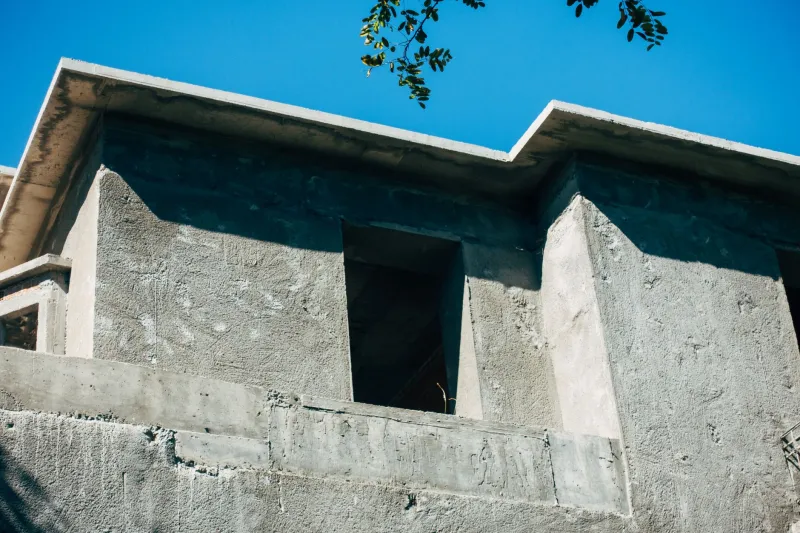
Stucco Dreams, Fire Sale Reality: How Unsold McMansions Became America's Greatest Decorator Showrooms
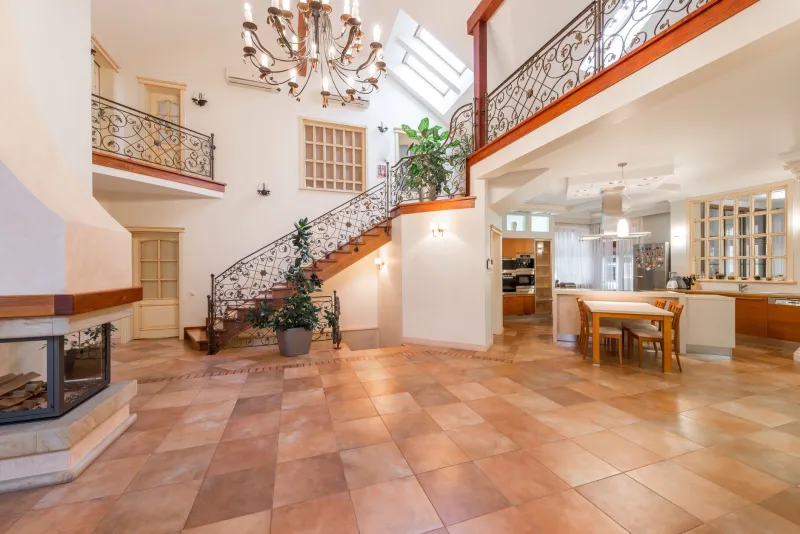
Somewhere in a sprawling subdivision outside Atlanta, there is a six-bedroom home with a wine cellar, a three-car garage, and a chandelier that cost more than a Honda Civic. Nobody has ever slept in it. Nobody has ever uncorked a bottle in that cellar. The chandelier has illuminated exactly zero dinner parties. And right now, a liquidation company is pricing it at $340.
Welcome to McMansion Markdown season — the beautiful, chaotic, deeply American phenomenon where overbuilt ambition collides with cold economic reality, and the debris field is absolutely spectacular.
The Anatomy of a Failed Dream Home
To understand why this opportunity exists, you have to understand how McMansions get built in the first place. Developers in high-growth corridors — your Sunbelt suburbs, your outer-ring exurbs, your places with names like Copper Ridge Estates and Whispering Pines at Summerlake — operate on a simple premise: build big, price aspirationally, and trust that someone with a recent promotion and a Pinterest board will show up.
Sometimes they do. Sometimes interest rates tick up, the economy hiccups, the target buyer gets laid off, or the market simply absorbs all the demand it can stomach while seventeen other identical homes sit on the same cul-de-sac. The developer, now staring down carrying costs and lender pressure, faces a choice: slash the price, rent it out, or — and this is where we get excited — liquidate the contents and hand the shell off to someone who will gut it for the next phase of the project.
Option three is our favorite option.
What Actually Comes Out of These Houses
Here's what the real estate listing photos were hiding behind those carefully staged vignettes: an almost comical amount of expensive stuff. Developers building at the $1.5 to $2.5 million price point aren't buying their fixtures from the big-box home improvement stores. They're sourcing custom cabinetry from small-batch millwork shops in the Carolinas. They're installing Italian porcelain tile in bathrooms that have never seen a human foot. They're hanging light fixtures from boutique lighting studios in Chicago and Los Angeles.
All of it has to go somewhere when the project fails.
Liquidation companies that specialize in this niche — and yes, this niche absolutely exists, populated by people who have seen things that would make an interior designer weep — typically categorize the inventory in waves. First wave: furniture and decor, if the developer staged the home. Second wave: appliances, fixtures, and hardware. Third wave: the architectural salvage bonanza, which includes cabinetry, doors, flooring, and occasionally entire kitchen islands that get wheeled out on furniture dollies like very expensive archaeological finds.
A kitchen island that retailed for $8,000 installed? You might see it tagged at $600. Sub-Zero refrigerators that were spec'd into the build and never plugged in? Showing up at estate sales for a fraction of their original cost. Solid-core interior doors with brushed nickel hardware, custom-milled crown molding, hand-laid mosaic tile from a master bath that never hosted a single bath — all of it circling the drain of a liquidation that the developer just wants finished by end of quarter.
The Timing Game (And How to Win It)
This is where the Rich Garbage Man philosophy really earns its keep. The difference between paying $600 for that island and paying $150 is almost entirely a function of when you show up.
Week one of a listing: Prices are optimistic. The liquidation company still believes in the product. Avoid unless you have a specific target item and the patience of a saint.
Week two: The first markdown happens. Usually 20 to 30 percent off. Getting warmer.
Week three: This is the sweet spot for large items. The liquidators are motivated, the casual browsers have already picked through the decorative stuff, and the serious architectural pieces are still available. Show up on a Thursday, because weekend crowds drive up the informal competition.
Final 48 hours: Everything remaining gets drastically slashed. This is where you load a truck. The items left at this stage are typically the heavy, awkward, requires-a-crew pieces — exactly the kind of thing that looks magnificent in a home and nightmarish in a moving context. Rent a truck. Bring friends. Bring pizza for those friends, because they will need motivation.
Finding the Sales Before Everyone Else Does
The McMansion liquidation circuit doesn't advertise on prime-time television. It lives in a scattered ecosystem of estate sale listing sites, local Facebook groups with names that sound like they were created by someone's grandmother, and email lists maintained by regional liquidation companies that are genuinely not trying to go viral.
The three things worth doing right now, today, if you want to play this game:
First, identify the overbuilt corridors near you. Every major metro has them. Search your local real estate listings for homes that have been sitting unsold for 180-plus days in new construction communities. Those are your future liquidation addresses.
Second, introduce yourself to local liquidation companies. Not the estate sale companies that specialize in grandma's china — the commercial liquidators who handle developer and contractor inventory. They are not hard to find and they love customers who show up with cash and a truck.
Third, learn the difference between a liquidation sale and a developer clearance auction. Auctions move fast and require registered bidders; liquidation sales are more like a very chaotic, very well-appointed garage sale. Both are valid. Both require different strategies.
A Brief Meditation on Irony
There is something genuinely poetic about the McMansion liquidation circuit that goes beyond the obvious humor of rich people's failed real estate dreams becoming your decorating budget's best friend.
These homes were built to project success. The seven-foot front door, the soaking tub with the freestanding faucet, the butler's pantry that no one in the household was ever going to use as an actual butler's pantry — all of it was a physical argument that the owner had arrived. That argument never got made. The house sat empty, the developer ran out of runway, and now the seven-foot door is leaning against a liquidation warehouse wall with a sticker on it.
You walk out with a door that cost $2,200 to fabricate. You paid $175. The door doesn't know the difference. It will look just as impressive in your actual home, where actual humans will actually walk through it, as it would have in the failed monument to aspiration it was originally destined for.
That's not just bargain hunting. That's the universe correcting an inefficiency.
The Bottom Line
America keeps building more McMansions than the market can absorb. Interest rates keep doing what interest rates do. Developers keep running out of time and money. And the secondary market for their spectacular, overspecified, never-lived-in contents keeps quietly humming along for those paying attention.
The marble countertops are out there. The wine cellars are out there. The chandelier that cost more than a Honda Civic is out there, and it is waiting for someone with a truck, a measuring tape, and the wisdom to know that the best decorator showroom in America isn't in a design district.
It's on a cul-de-sac with a lockbox on the door and a liquidation sign in the yard.
See you there.