One Hit Blunder: How Rich Hobbyists' Abandoned Recording Studios Are Basically Gifting You a Grammy Setup for Pennies
Somewhere in suburban Scottsdale, there is a three-car garage that has been acoustically treated with $4,000 worth of custom foam panels, outfitted with a Neve-adjacent mixing console, and stocked with microphones that professional engineers genuinely weep over. The owner — let's call him Derek, a 47-year-old commercial real estate developer — recorded himself playing acoustic guitar for approximately six weeks in 2022 before pivoting to competitive pickleball.
Derek's studio is not unique. It is, in fact, a recurring American phenomenon so reliable you could set a calendar by it.
The wealthy hobbyist recording studio cycle runs something like this: Inspiration strikes (usually during a Spotify deep-dive or a friend's dinner party where someone drops the phrase "I've been working on some stuff"). Money is spent — aggressively, confidently, with zero research. Equipment arrives. Instagram posts happen. Three months of actual use follow. Then: silence. Metaphorical silence, because the acoustic treatment in that garage is genuinely excellent.
What happens next is where you come in.
The Anatomy of a Rich Person's Musical Delusion
Before we talk about where to find this gear, it helps to understand why so much of it exists in the first place. Home recording studios are the perfect rich-person hobby trap because they feel productive and artistic simultaneously. You're not just buying toys — you're investing in your craft. You're building something. You have spreadsheets about signal chains.
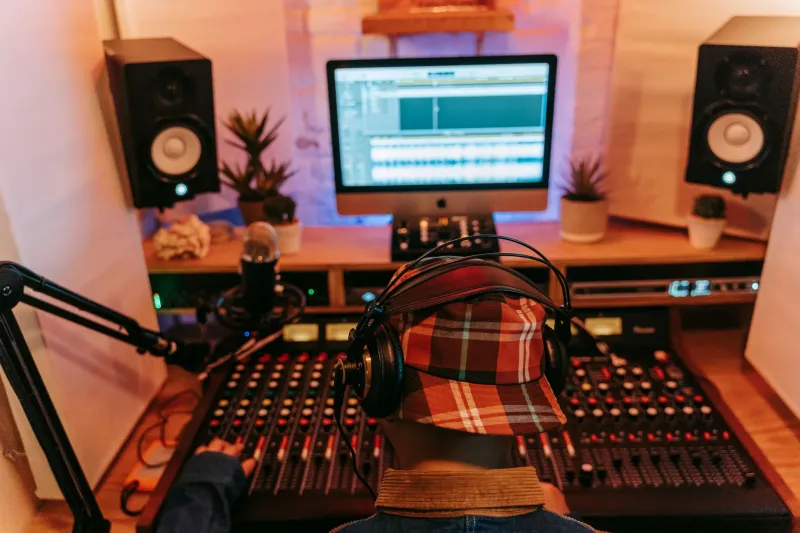
The average wealthy hobbyist studio build breaks down roughly like this: a professional-grade condenser microphone (think Neumann U87 territory, anywhere from $1,500 to $3,500), an audio interface that costs more than most people's laptops, a mixing board that technically requires a three-day certification course to operate, studio monitor speakers positioned with terrifying precision, acoustic panels on every available surface, and — this is crucial — a rack of outboard gear that was purchased based entirely on a YouTube video from a producer who works with people whose names you actually recognize.
Total investment: $30,000 to $80,000, depending on how many times Derek refreshed Sweetwater's website at 11pm.
Total albums completed: zero.
Where the Gear Goes to Die (And How You Resurrect It)
Unlike a Peloton, which at least gets used as a coat rack, recording studio equipment presents a specific logistical problem for its wealthy former owner: it's bulky, technically intimidating to resell, and associated with a creative failure they'd rather not dwell on. This means it tends to move through very specific channels — and if you know those channels, you can furnish a genuinely professional setup for a fraction of what Derek paid.
Facebook Marketplace and Craigslist remain the undisputed kings of this particular treasure hunt, and for a simple reason: the person selling doesn't always know what they have. A Neve 1073-style preamp listed as "fancy audio thing, works great" for $400 is a real and recurring event. Search terms like "home studio," "recording equipment lot," and the always-promising "moving, must sell" in zip codes corresponding to wealthy suburbs will surface more than you'd expect.
Estate sales are another goldmine, particularly when the deceased was a retired professional who decided retirement meant finally making that jazz record. Estate sale companies are notoriously inconsistent at pricing audio gear — they'll nail the furniture and completely fumble the vintage compressors sitting in the corner.
GearSpace and Reverb.com skew more toward informed sellers, but even here you'll find hobbyist gear priced below market because the seller just wants it gone. Look for listings that mention phrases like "barely used," "studio is being repurposed," or the heartbreaking "life got in the way."
The Buyer's Guide: Flexed vs. Actually Used
Here's the thing about rich hobbyist gear: most of it is in extraordinary condition. But not all of it. Learning to distinguish the genuinely lightly-used equipment from the gear that was actually pushed hard (or, worse, purchased already damaged and never properly set up) is the difference between a score and a very expensive lesson.
Signs it was mostly flexed: The original packaging is still present. There's a layer of studio foam dust on top of the unit but not in the knobs. The manual is still shrink-wrapped. Ask how many hours the microphone has on it — a blank stare is a good sign.
Signs it was actually used: Knobs show wear at their most common positions. There are cable marks on the back. The seller can explain what it does. This isn't necessarily bad — professional use means the gear has been properly run in — but it's worth negotiating accordingly.
The red flags: Any mention of "minor electrical issues" or "sounds great once it warms up." Tubes that look like they've been through a small fire. Faders that stick. Anything described as "as-is" in capital letters.
Condenser microphones deserve special attention. High-end condensers are sensitive instruments that can be damaged by improper storage, humidity, or being dropped once by someone who was trying to record themselves singing a Radiohead cover at 2am. If possible, ask to test before buying, or request a recent recording made with the mic. A genuine Neumann that's been stored capsule-down in a humid garage is worth significantly less than its Reverb listing price.
What to Actually Buy
If you're building a legitimate home studio from the wreckage of someone else's dreams, here's the priority order for your shopping list:
Microphones first. A single great microphone will do more for your recordings than any other purchase, and it's where wealthy hobbyists consistently overspend in ways that benefit you enormously. A used Neumann, AKG, or Shure SM7B acquired at hobbyist-liquidation prices is a genuine steal.
Monitor speakers second. Studio monitors from brands like Genelec, Yamaha NS-10s, or Adam Audio units show up regularly in the hobbyist graveyard and represent extraordinary value used.
Everything else is negotiable. Audio interfaces are cheap new and even cheaper used. Outboard gear is wonderful but not essential. Mixing consoles are enormous, heavy, and require space you may not have — acquire accordingly.
The Spiritual Dimension
There's something genuinely moving about this whole ecosystem, if you're willing to look at it the right way. Derek's studio — the one that never produced an album, the one that represented six weeks of genuine enthusiasm before life reasserted itself — doesn't disappear. It disperses. The Neumann ends up in a bedroom studio in Omaha, where someone is actually finishing their record. The monitors find their way to a podcast producer in Austin. The acoustic panels get repurposed by a home theater enthusiast in New Jersey who didn't know what they were but liked the look.
Derek's dream didn't die. It just got redistributed to people who actually use it.
Which is, honestly, more than most dreams can say.
Now go check Facebook Marketplace. Someone in your area listed a "barely touched" API 3124 for $600 forty minutes ago and the clock is ticking.